Leveraging AI Edge Cameras to Enhance Hospital Operations and Patient Safety
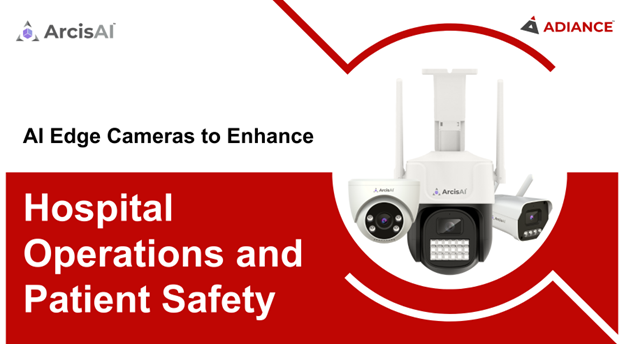
Efficient hospital management is the backbone of a well-functioning healthcare system, ensuring seamless coordination between medical staff, patients, and administrative operations. From patient care and resource allocation to compliance with medical regulations, hospital management plays a crucial role in delivering high-quality healthcare services. However, hospitals face numerous challenges, including staff shortages, inventory management, patient safety, and operational inefficiencies. With the rapid advancements in technology, Artificial Intelligence (AI) and smart automation are transforming hospital management. AI-powered solutions such as predictive analytics, real-time patient monitoring, automated inventory tracking, and AI-driven security systems are revolutionizing the way hospitals operate. These technologies not only enhance efficiency but also improve patient care, reduce medical errors, and optimize resource utilization.
Key Challenges in Hospital Management
Managing a hospital efficiently requires balancing multiple complex factors, from patient safety to financial stability. Below are some of the biggest challenges hospitals face and their impact on healthcare operations.
Patient Safety & Care Quality
Ensuring patient safety is a top priority, but hospitals face significant challenges such as fall prevention, infection control, and emergency response. Elderly and post-surgical patients are at high risk of falls, requiring continuous monitoring and real-time alerts to prevent serious injuries. Additionally, strict hygiene protocols and PPE compliance are essential to reduce hospital-acquired infections (HAIs), while automated emergency response systems can help hospitals improve reaction times and save lives during critical situations.
Staffing & Workforce Management
Staffing shortages remain a major challenge in hospital management, leading to overworked medical teams and a decline in patient care quality. Inefficient scheduling and shift management can result in burnout, fatigue, and increased medical errors, negatively affecting both staff and patients. Implementing AI-driven workforce planning can help balance workloads, optimize shift allocation, and improve overall efficiency in hospital operations.
Inventory & Supply Chain Management
Effective inventory and supply chain management is vital for seamless hospital operations and patient care. Ensuring a consistent supply of PPE, surgical tools, and medications helps prevent disruptions in treatment and infection control. Precise drug and pharmacy management reduces shortages, minimizes errors, and prevents wastage, while proper storage and monitoring of blood banks and critical fluids ensure timely availability for emergencies and surgical procedures.
Regulatory Compliance & Data Security
Regulatory compliance and data security are critical aspects of hospital management, ensuring patient privacy and legal adherence. Hospitals must follow strict laws like HIPAA and GDPR to protect sensitive health data, as non-compliance can result in severe penalties. With the growing reliance on AI and digital records, robust cybersecurity measures are essential to prevent data breaches, while ethical concerns surrounding AI decision-making, privacy, and potential biases must be carefully managed.
Role of ArcisAI and Technology in Hospital Management
AI is revolutionizing hospital management by enhancing patient monitoring and streamlining operations. AI-driven patient monitoring systems, such as fall detection and remote monitoring, provide real-time alerts to healthcare staff, reducing the risk of injuries and enabling timely interventions. Automated workflow optimization further improves efficiency by streamlining scheduling, managing electronic medical records, and reducing administrative burdens, allowing medical professionals to focus more on patient care.
Additionally, smart inventory management ensures real-time tracking of essential supplies like medications, blood banks, and medical equipment, preventing shortages and improving resource utilization.
Beyond operational efficiency, AI-powered security and surveillance play a crucial role in hospital safety. Advanced CCTV systems with facial recognition can restrict unauthorized access and enhance staff security, while AI-driven predictive analytics help hospitals anticipate challenges such as bed occupancy fluctuations and potential disease outbreaks. By leveraging AI in these key areas, hospitals can improve patient outcomes, enhance security, and optimize overall healthcare delivery
AI CCTV Cameras: The Future of Smart Surveillance in Healthcare & More
AI-powered CCTV cameras are revolutionizing surveillance, especially in critical sectors like healthcare. These advanced systems use artificial intelligence, machine learning, and real-time analytics to enhance security, monitor patient care, and improve overall efficiency.
Patient Safety and Fall Prevention
AI Edge cameras play a crucial role in patient safety by using motion detection and bed occupancy monitoring to prevent falls and accidents. These smart cameras continuously track patient movements and detect any unusual activity, such as sudden jerks or attempts to leave the bed unassisted. If a patient is at risk of falling, the system immediately alerts hospital staff, enabling quick intervention. By providing real-time monitoring and automated alerts, AI Edge cameras enhance patient care, reduce response times, and help prevent serious injuries, especially for elderly or post-surgical patients.
Infection Control and Hygiene Compliance
AI Edge cameras with real-time detection capabilities play a vital role in ensuring hygiene compliance in hospitals. These smart systems monitor healthcare staff to verify the proper use of Personal Protective Equipment (PPE), such as masks, gloves, and gowns, reducing the risk of hospital-acquired infections. By automatically detecting non-compliance and sending instant alerts, AI-powered surveillance helps maintain strict hygiene protocols, enhancing patient and staff safety while ensuring adherence to infection control standards.
Remote Patient Monitoring
AI-powered cameras with patient activity recognition enhance hospital care by continuously monitoring the movements of elderly and critical care patients. These systems can detect changes in activity levels, unusual behavior, or distress, allowing healthcare staff to intervene promptly when needed. By providing real-time alerts, AI cameras help prevent falls, ensure timely medical assistance, and improve overall patient safety, especially in high-risk hospital units.
Emergency Response Automation
AI-powered cameras enhance emergency response by detecting medical crises in real time and triggering automated actions to improve hospital efficiency. In critical situations, these smart systems can instantly alert medical staff, open doors for rapid access, and activate emergency protocols without manual intervention. By streamlining response times and reducing delays, AI-driven surveillance ensures that patients receive immediate care, ultimately improving survival rates and hospital safety.
Inventory Management and Asset Tracking
AI Edge cameras play a crucial role in hospital inventory management by ensuring the proper storage and availability of essential medical supplies. These smart systems monitor pharmacy and drug storage to prevent shortages, minimize errors, and maintain medication safety. Additionally, they help track medical equipment and surgical instruments, ensuring that critical tools are available and properly maintained for procedures.
AI-powered monitoring also extends to PPE kits and hygiene supplies, enabling hospitals to maintain adequate stock levels and protect healthcare workers. Furthermore, by overseeing blood banks and critical fluids, AI cameras ensure timely access to safe and sufficient blood products, improving emergency preparedness and patient care.
Future Trends in Hospital Management
AI-driven automation is transforming hospital operations by streamlining workflows, reducing administrative burdens, and enhancing patient care. From automated scheduling and real-time patient monitoring to smart inventory management and predictive analytics, AI helps hospitals improve efficiency and resource allocation. This automation not only reduces human error but also enables healthcare professionals to focus more on critical patient care, leading to better outcomes and optimized hospital management.
Robotics and telemedicine are also playing a crucial role in the future of healthcare. Robotic-assisted surgeries are enhancing precision and reducing recovery times, while AI-powered robots assist in patient care, medication delivery, and rehabilitation. Additionally, telemedicine has become a new standard, allowing remote consultations, real-time health monitoring, and AI-assisted diagnostics, making healthcare more accessible and efficient. As these technologies continue to evolve, hospitals must embrace AI and automation to improve patient care, operational efficiency, and overall healthcare delivery.
Conclusion
Hospital management is a complex yet vital aspect of healthcare that directly impacts patient safety, operational efficiency, and overall service quality. While hospitals face numerous challenges, including staff shortages, patient safety concerns, regulatory compliance, and inventory management, the integration of AI and smart automation is revolutionizing the industry. AI-driven solutions such as real-time patient monitoring, predictive analytics, automated workflows, and AI-powered security are helping hospitals optimize resources, reduce errors, and enhance patient care.
Looking ahead, the future of hospital management will be shaped by advancements in robotics, telemedicine, and AI-driven automation. Hospitals that embrace these innovations will not only improve efficiency but also provide safer, faster, and more personalized healthcare services. By leveraging technology to streamline operations and enhance decision-making, hospitals can overcome existing challenges and set new benchmarks for excellence in patient care and hospital administration.
Healthcare Security References
For more information on the topics discussed in this article, visit these authoritative sources: WHO Patient Safety Guidelines (https://www.who.int/teams/integrated-health-services/patient-safety) | HIPAA Security Rule (https://www.hhs.gov/hipaa/for-professionals/security/index.html)