What Has Changed After the STQC Mandate in India’s CCTV Industry?
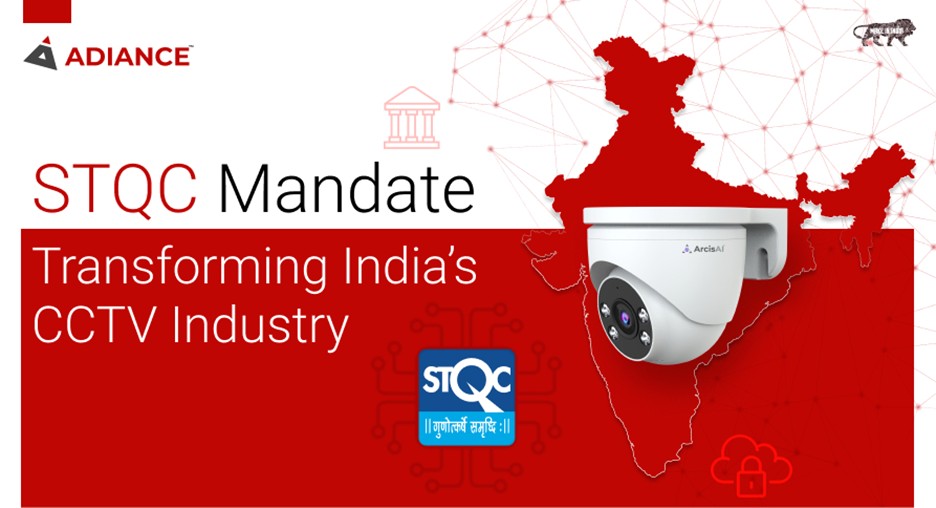
The Indian CCTV and surveillance industry has entered a new era with the STQC mandate, effective from April 9, 2025. This regulation requires all CCTV equipment to be certified under Indian quality standards, ensuring higher levels of security, reliability and tamper-proof performance. The mandate marks a turning point for the industry, pushing both domestic and global players to meet strict compliance norms. In this blog, we will discuss the key changes brought by the STQC mandate, how it impacts CCTV manufacturers, distributors and integrators, and the new opportunities it creates for compliant brands. From market risks to growth pathways, we’ll explore what this shift means for the future of India’s surveillance ecosystem.
Opportunities Created by the STQC Mandate
The STQC mandate is more than just a regulation, it is a gateway for transformation. Certified brands gain exclusive access to government tenders, enhanced brand credibility and long-term competitive advantages. By pushing the “Make in India” agenda, it has reduced dependence on imports and given domestic manufacturers a strong platform to innovate. For early adopters, this is an opportunity to differentiate their offerings and secure market share.
Challenges Posed by the STQC Mandate
On the flip side, compliance comes with significant challenges. Testing and certification costs strain smaller manufacturers, while the 3–6 month approval timelines can disrupt product launches. Import-dependent brands face supply chain hurdles and distributors may suffer inventory losses if their stock is non-compliant. In many ways, the mandate has raised entry barriers, posing survival challenges for less-prepared brands.
Impact on CCTV Brands
For manufacturers, the STQC mandate has changed the rules of competition. Brands with in-house R&D and production are in a stronger position, while those dependent on foreign OEMs find it difficult to adapt. Certified products now carry an added trust factor, giving compliant brands an edge in both consumer and institutional markets. However, those unable to invest in compliance risk losing relevance.
Impact on CCTV Distributors & Dealers
Distributors and dealers are directly impacted as non-compliant imports have become illegal. This has eliminated the grey market of cheap cameras, but also increased financial risks due to stricter payment terms with certified suppliers. For dealers who align with compliant brands, the mandate offers better margins and stability. Those stuck with outdated inventory, however, face significant write-offs.
Impact on System Integrators & Installers
For system integrators, compliance has brought both relief and responsibility. On one hand, the standardized certification ensures that the products they deploy are secure and reliable. On the other hand, they now require higher working capital to source certified equipment. The STQC logo has become a trust marker in client discussions, making certified products easier to pitch and justify in projects.
Impact on End Users
End users — whether enterprises, institutions or government agencies are the ultimate beneficiaries. With the STQC mandate, they now receive tamper-proof, secure and high-quality CCTV systems that protect sensitive data. The regulation reduces risks associated with cheap imports and builds confidence in surveillance infrastructure. For them, the change means better reliability, longer lifecycle and higher ROI.
Adiance’s Role in Supporting India’s Evolving CCTV Standards
At Adiance Technologies, we believe the future of surveillance rests on trust, quality, and innovation. As an Indian OEM/ODM manufacturer, we were among the earliest to apply for STQC compliance and have already aligned our processes with the mandate’s requirements. Our CCTV solutions are designed to meet Indian standards while integrating advanced EdgeAI, CloudAI, STQC certified VMS, free mobile app support, and next-gen security features - ensuring our partners are future-ready as the industry shifts toward stricter regulations.
For distributors, system integrators and end-users, partnering with Adiance means zero compliance risk and long-term reliability. We support businesses with a complete ecosystem — from PCB design and assembly to AI-powered cameras - ensuring that every solution meets the highest security benchmarks. By combining Make in India manufacturing excellence with global security standards, Adiance is a trusted partner for the post-STQC era.
Conclusion
The STQC mandate has reshaped India’s CCTV industry by phasing out non-compliant products, enforcing stricter quality benchmarks, and opening new opportunities for trusted Indian manufacturers. While it raises challenges for import-driven players, it creates a strong foundation for brands that focus on compliance, security, and innovation.
For businesses, the path forward is clear - adopt STQC standards early and turn compliance into a long-term advantage. With partners like Adiance Technologies, brands can confidently navigate this transition and secure a stronger position in an industry moving toward greater trust, reliability and self-reliance.
Official References
For more information on the topics discussed in this article, visit these authoritative sources: STQC Directorate - Government of India (https://www.stqc.gov.in/) | MeitY - Ministry of Electronics & IT (https://www.meity.gov.in/)
Frequently Asked Questions
What is the STQC mandate for CCTV in India?
The STQC mandate makes it compulsory for all CCTV and security equipment sold in India to be certified as per Indian quality and security standards, effective from April 9, 2025.
What are the benefits of STQC-certified CCTV products?
STQC-certified products are more secure, tamper-proof, and reliable. The certification also boosts customer trust and ensures eligibility for public and government projects.
How can Adiance Technologies help businesses adapt to the STQC mandate?
Adiance Technologies, as a trusted OEM CCTV manufacturer in India, provides STQC-ready solutions, PCB assembly, and OEM/ODM services. This ensures CCTV brands, distributors, and integrators can comply with certification requirements and grow confidently in the evolving market.